Ethanol and Renewable Fuels

Ethanol and renewable fuel production relies on large-scale distillation and dehydration systems where hydraulics, pressure drop, and vapor–liquid distribution directly affect energy use, capacity, and product quality. Koch-Glitsch supports ethanol and renewable fuels applications with mass transfer equipment and column internals applied as integrated systems across distillation, rectification, and dehydration services.

Separation Systems for High-Throughput Fuel Production

Ethanol and renewable fuel (e.g. green methanol, SAF and others) processes rely on distillation-based separation to concentrate and purify streams to meet fuel-grade specifications. These systems typically operate continuously at high throughput, making stable hydraulics, predictable separation performance, and energy efficiency critical to overall plant operation.

Distillation columns in bioethanol service often span multiple separation steps, including beer columns, rectifiers, and dehydration systems. Each step places different demands on mass transfer devices and supporting internals, particularly with respect to pressure drop, vapor–liquid contact, and liquid distribution. Large column diameters, variable feed conditions, and energy-optimized designs further increase sensitivity to hydraulic imbalance and maldistribution, requiring a coordinated, system-level approach to internals selection and integration.

Koch-Glitsch supports ethanol and renewable fuel producers with mass transfer technologies and column internals applied across these systems, helping maintain stable operation and consistent product quality under demanding operating conditions.

Where each technology is typically applied

In bioethanol production, mass transfer technologies are applied differently across distillation steps based on operating objectives, hydraulic demands, and separation requirements.
Beer Column Design Considerations

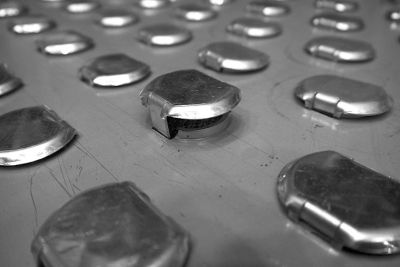
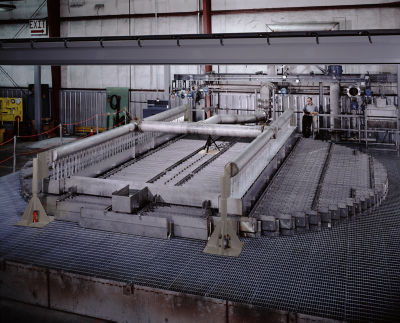
Beer columns operate at high vapor and liquid rates and must handle variable feed conditions from fermentation. Trays are commonly applied due to their robustness and tolerance to operating variability. In these large-diameter columns, vapor inlet devices, tray supports, and liquid handling internals are essential to manage hydraulic loads and prevent maldistribution that can limit capacity or cause instability. 

High-Efficiency Rectifier Design

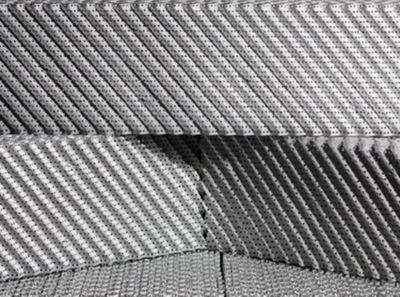
Rectifier columns are used to concentrate ethanol to higher purity and are more sensitive to pressure drop and separation efficiency. Structured packing is often applied to reduce pressure drop and improve energy efficiency. Performance in these columns depends heavily on high-quality liquid distributors, collectors, and redistributors to maintain uniform vapor–liquid contact over the packed height.

Final Separation: Integration Matters

In sections where pressure drop and efficiency are tightly constrained, structured packing is typically favored. Here, liquid distribution quality and proper internals integration are critical, as even small maldistribution can significantly reduce effective separation performance.

Across all ethanol distillation steps, tower internals are often the limiting factor in column performance. Koch-Glitsch evaluates each column section as an integrated system—considering trays or packing alongside distributors, inlet devices, collectors, and supports—to support stable operation, consistent separation performance, and long-term reliability.

Partner with us

Looking to take your operations to the next level? Contact us online to request more information about any of our products or capabilities and learn how Koch-Glitsch can help you.